
Can houseplants purify indoor air?

Houseplants have always been enjoyed for their way of livening up a drab room, bringing greenery from the outside natural world to the inside. But can they do more than simply make you feel good? Do they really have the capacity to help purify the air in your house?
The answer is not that simple. Let’s say yes… and no. A lone plant, all by itself in a room, would not do much. But many plants will surely go a long way to help purify the air.
Why do we need to purify the air?
You may not realize it, but your house may contain various levels of VOCs, an abbreviation for “volatile organic compounds”. Those are chemical fumes that escape from household products into the air. They are invisible, often odourless at low levels, and they evaporate very easily at room temperature.
When you bring a new piece of furniture home or paint a room, those products off-gas, meaning they slowly release these chemical vapours into your indoor air for weeks, months or sometimes years.
What are VOCs and why should you care?
VOCs are found in thousands of everyday products:
- Fresh paint, varnish, strippers, caulks, flame retardants, glues and adhesives.
- Newly added construction materials: new plywood, particleboard, ceiling tiles…
- New furniture and accessories: carpets, curtains, furniture, plank flooring, cabinets.
- Household cleaners, air fresheners, markers, room deodorizers…
- Perma-press clothing and dry-cleaned clothing.
- Personal care products and aerosol sprays.
- Gasoline, natural gas, kerosene, cigarette smoke.
- Photocopiers, computer screens, printers, electronic equipment.
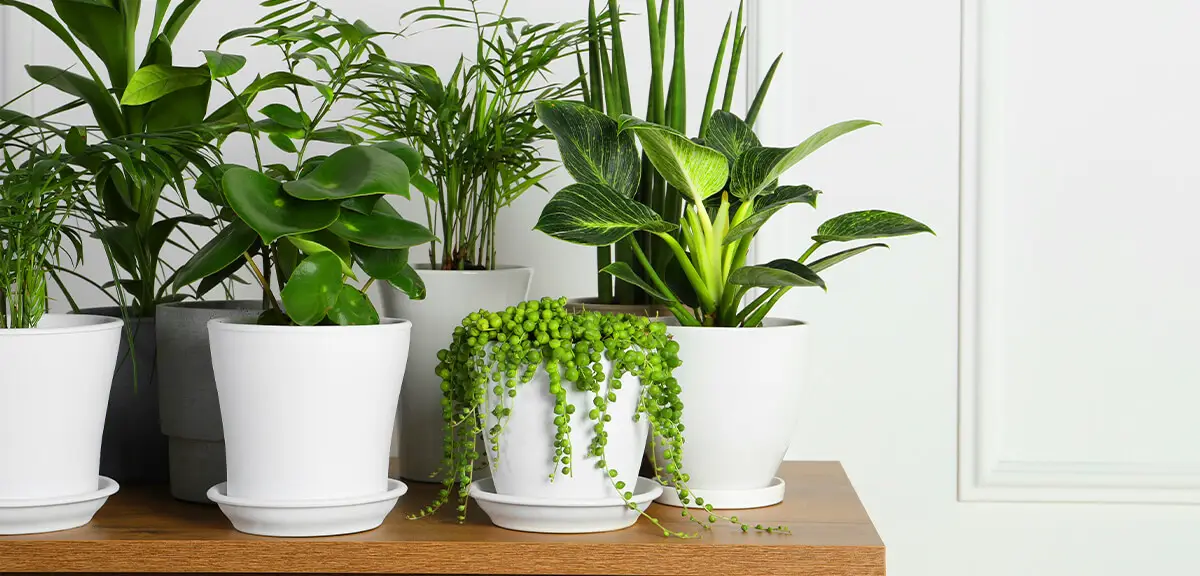
What health problems can VOCs cause?
The most common pollutants are formaldehyde, benzene, trichloroethylene, toluene and carbon monoxide. Our bodies will tend to absorb these compounds, which can result in “new house” or “sick building” syndrome. These show up as itchy eyes, skin rashes, respiratory and sinus congestion, headaches, and other allergy-related symptoms. Since many people spend a lot of time indoors, especially in winter, it makes sense to try to minimize these indoor pollutants.
Most of these pollutants can be slowly filtered out or diluted with fresh air brought in from HVAC systems (heating, ventilation and air conditioning), from indoor air purifiers or from simply opening windows when the weather permits.
Which indoor plant purifies the air the most?
Research tends to show the positive effects common houseplants might have on indoor air quality. All the plants that they assessed removed some of the pollutants, but certain plants proved to be more efficient at removing specific pollutants than others.
For example, experience reveals that the dracaena could remove 50% of the formaldehyde but only 10% of the trichloroethylene in a 24-hour period. A chrysanthemum removed 61% of the formaldehyde and 41% of the trichloroethylene in the same experiment. They also found that the plant's roots and its accompanying potting soil were all part of the plant’s air-purifying system.
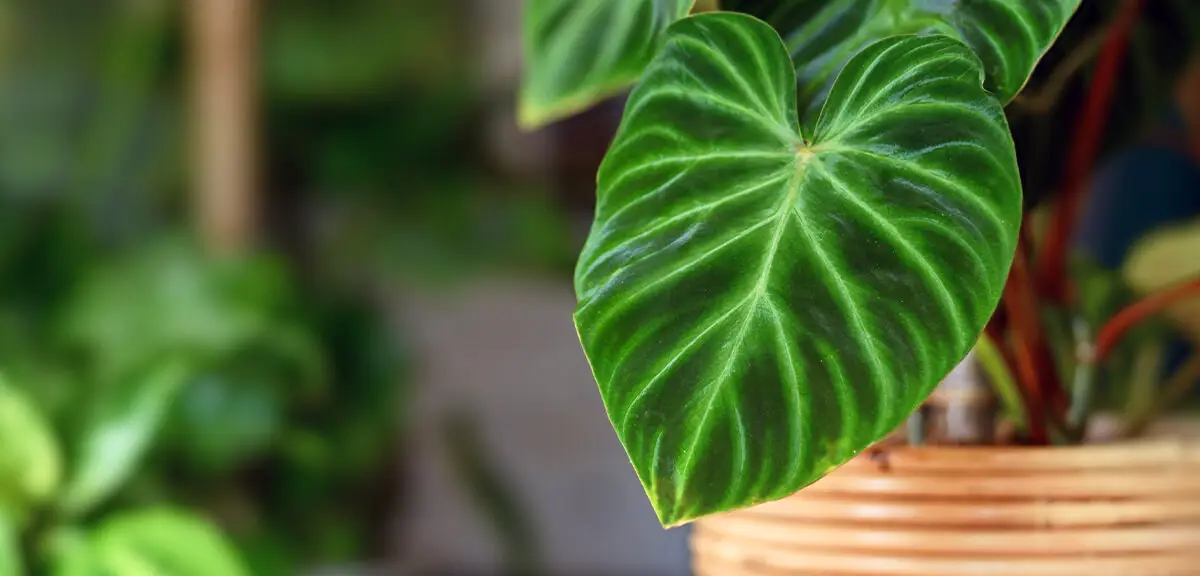
Houseplants that improve air quality
- Bamboo palm
- Banana plant
- Boston fern
- Bromeliads
- Chinese evergreen
- Christmas cactus
- Cornstalk dracaena
- Dracaena Janet Craig
- Red-edged dracaena
- Dracaena warneckii
- English ivy
- Florist's daisy
- Gerbera daisy
- Golden pothos
- Holy basil
- Snake plant
- Orchids
- Palms
- Peace lily
- Elephant ear philodendron
- Heartleaf philodendron
- Lacy tree philodendron
- Spider plant
- Weeping fig
- ZZ plant
Source: Cornell University
How to reduce VOCs in your home?
Along with houseplants, you need to control the sources, ventilate and keep your houseplants healthy.
Control the sources
Reduce the number of items in your home that give off VOCs.
- When it comes to paints, solvents, adhesives and caulks, only buy what you need. Unused products stored in the home can sometimes “leak” and release VOCs into the air.
- Store these unused products in a garage or shed where people do not spend much time.
- Dispose of any unused products that will sit there for years. In that case, check for household hazardous waste collection sites.
- If it’s possible, when buying new furniture or electronic items, look for floor models because they may have already gassed off in the store.
- Solid wood items contain fewer VOCs than items made with composite wood.
- Whenever possible, consider purchasing low-VOC paints and furnishings.
Increase ventilation
Increasing the amount of fresh air in your home will help reduce the concentration of VOCs indoors.
- Boost ventilation by opening doors and windows. Use fans to maximize the amount of air brought in from the outside.
- Chemicals off-gas more in high temperatures and high humidity. Keep the temperature and relative humidity as low as possible or comfortable.
- Try to perform home renovations when the house is unoccupied or during seasons that will allow you to open doors and windows to increase ventilation.
- New carpeting, furniture and pressed wood products should be aired out for 72 hours in a large and well-ventilated space before bringing them into the house.
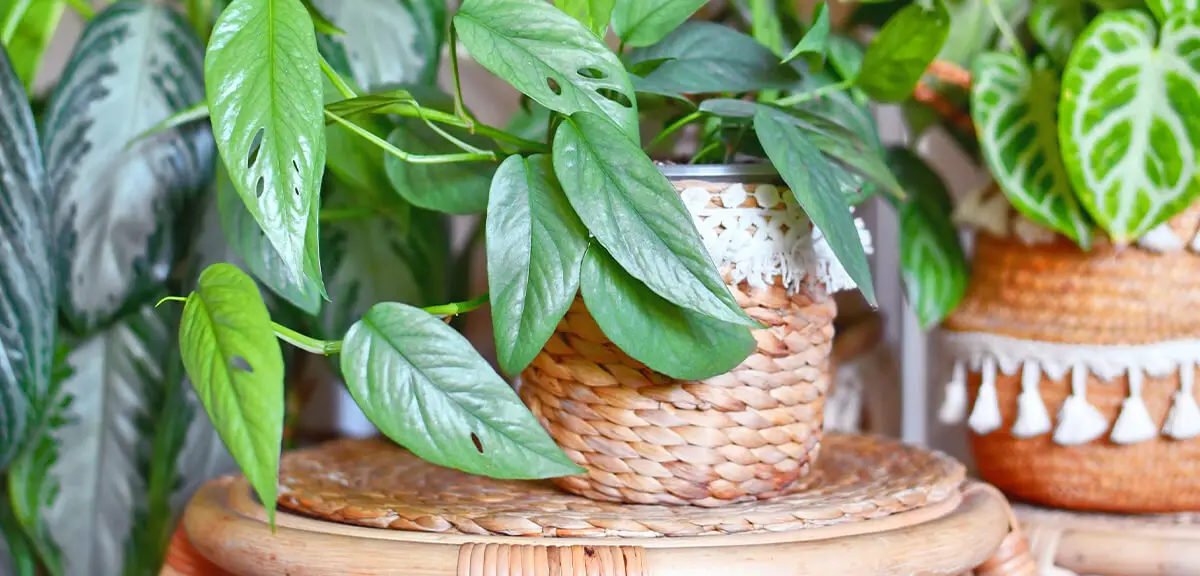
Keep your plants healthy
Keep your plants thriving with proper light, watering, fertilizing, repotting and pest control. A healthy plant will do a better job of purifying indoor air pollutants than one struggling to survive.
So, do houseplants purify the air? Yes. Not miraculously, not instantly, but consistently and naturally. Think of them as part of your home's air strategy, not a replacement for ventilation. The more plants, the better, and the healthier they are, the harder they work for you. Be sure to give them the best conditions. They will repay you well.
