
How to Care for Succulents

Looking for a plant that is perfect for travelers of neglectful plant parents?
Succulents are a great first choice for beginners of busy people when it comes to establishing a colored and captivating indoor garden. They are generally easy to care for, as long as you provide them 6+ hours of bright light daily and they are not overwatered.
What makes a plant a succulent?
A succulent is a drought-resistant plant that has thick, fleshy leaves, stems, or roots, specifically adapted to store water. This allows them to survive in dry environments. Aloe vera, Sedum, or Jade plants are good examples of succulents. Cacti are also considered to be part of the succulent family.
In botany, succulents are considered the “camels” of the plant world.
Most succulents come from dry areas such as steppes, semi-desert, and desert. However, the world's driest areas do not make for proper succulent habitats, mainly due to the difficulty of such low growing plants being able to thrive in environments where they could easily be covered by sand.
While succulents are unable to grow in these harsh conditions, they can grow in conditions that are uninhabitable by other plants.
Can succulents live indoors?
Plants like sedum are adapted to the Canadian climate but most of the succulents are not rustic in our country. Even if they can survive cold nights in the desert, the temperature cannot be compared to our winters. Hopefully, the choice to grow succulent indoors is absolutely amazing.
Succulents succeed even with neglect, requiring infrequent watering—only when the soil is completely dry. The biggest threats come from overwatering and insufficient light.
Succulents are easy to care for and perfect for beginners so long as they do not overwater them, and that the plants get six or more hours of bright light every day. They are good for forgetful plant people or if you are a traveler, away from home for a few weeks at a time.
Not just a solo plant
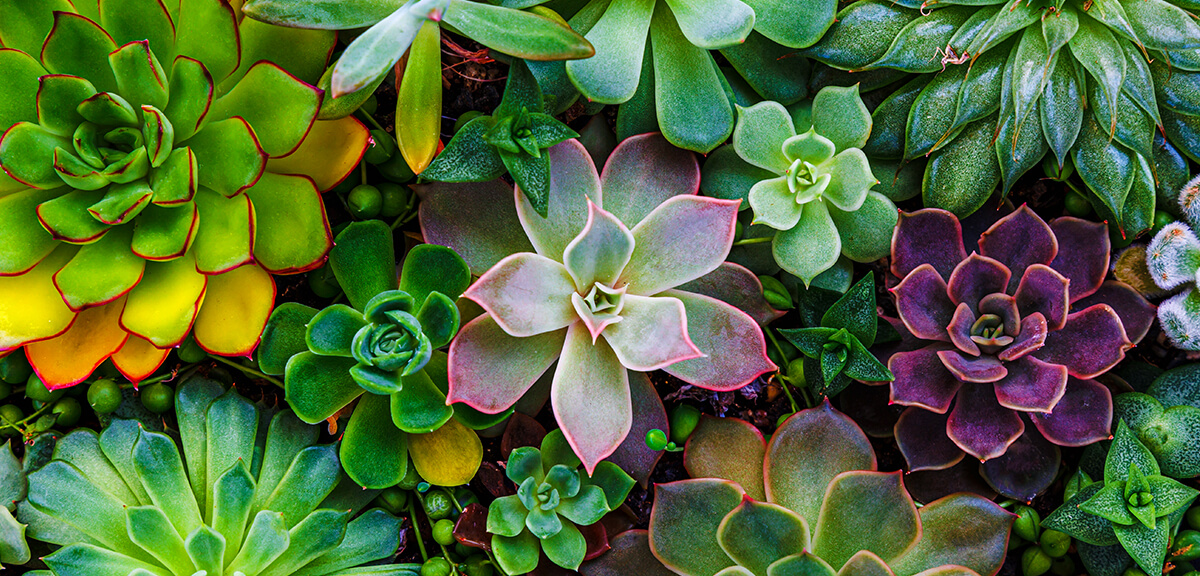
One interesting thing about succulents is that besides coming in a great variety of attractive leaves, stems, growth habits and flowers, they come in many colours, shapes and sizes. Many succulents are quite small. Since most succulents thrive in the same growing conditions, you can easily grow multiple plants in a creative dish garden.
Where to put succulents in a house?
These are would-be desert plants, so you must appreciate that succulents will require a fair bit of light. Strive for at least 6 hours or more of bright light. A south or east window is best for most succulents.
Avoid too many hours of direct hot mid-day sun against a window pane. Too intense sunlight could scorch the leaves. But otherwise for most succulents, you should give them as much bright light as possible. Some succulents, like the Snake plant or Haworthia can tolerate partial shade.
If your plant is getting “leggy” or stretched, it is probably not getting enough bright light. Move to another spot. Rotate your plants at every watering so that all sides get even light and to prevent it from leaning towards the sun.
How often must you water a succulent?
Our advice: Let them go dry!
Succulents should be watered in what experts call the “soak & dry” method. That means getting the potting mix thoroughly soaked, then allowing it to completely dry out over the next weeks before the next watering.
Water when at least the top 2.5 cm (1 “) is dry; never water when it is wet, damp, or moist. When you water your plant, drench the soil. You'll know you've watered the plant enough when water exits through the drainage holes. Empty any water that accumulates in the drain dish.
You will have to water more often in the summer and less in the winter. Always try to use room temperature water, as cold tap water can shock the roots. These plants do not appreciate misting.
What does an overwatered succulent look like?
An overwatered succulent is often bloated or mushy. Watch for overwatering, as this is the main cause of root rot. Adjust your watering schedule accordingly. An underwatered succulent, on the other hand, will show signs of being too dry primarily through its leaves. They become wrinkled, puckered, soft, or shriveled. A good soaking will rehydrate them.
How often should I fertilize my indoor succulents?
Like with all houseplants, fertilizing succulents is recommended when the plants are actively growing from spring until late fall. Let the plant rest during the winter months.
Succulents do not require a lot of fertilizer. Dilute the fertilizer at half rate and fertilize once a month over the spring and summer. Look for a balanced low nitrogen soluble or liquid fertilizer that can be added in the watering can, such as liquid fertilizer like Schultz Cactus 2-7-7, ideal for any succulents..
Temperature & Humidity: How to tell if a succulent is happy?
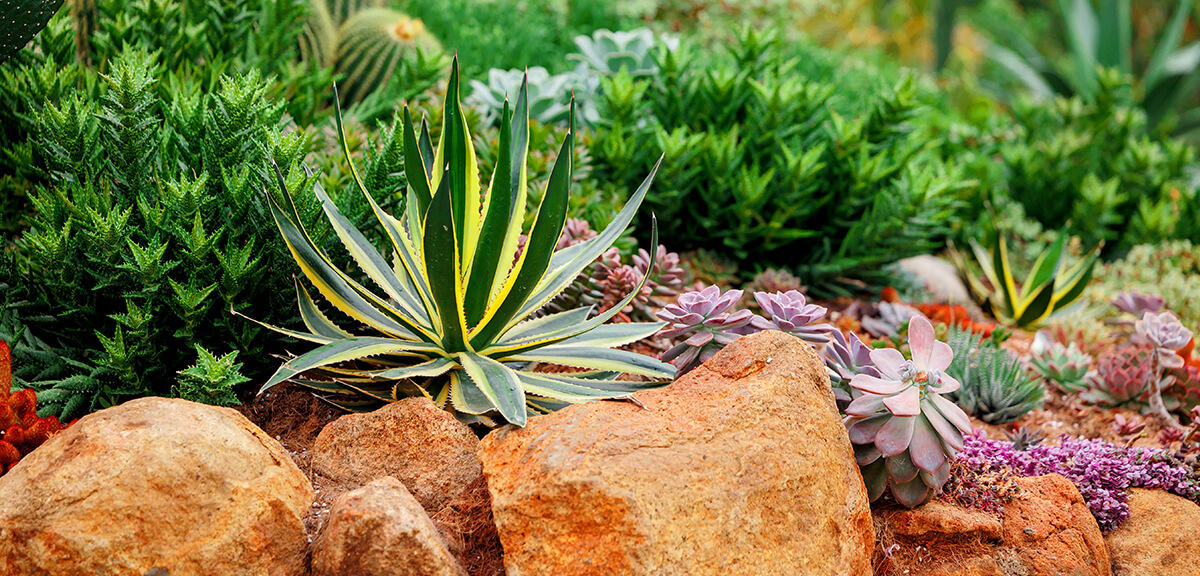
Succulents thrive in normal house humidity and temperatures. They prefer a 40%-50% humidity level and a temperature range of 12- 25 C (55F-77F). These are not the type of plants that would appreciate the high humidity of bathrooms. .
Be consistent in your air temperature: avoid placing plants beside an air conditioning vent or near a heat register or fireplace, or by an open window in winter.
When should you repot a succulent?
It’s time to repot when the leaves are crowding up against the sides of the pot or if the plant is getting top-heavy. This can be done every few years. Repot in the spring or early summer when the plant is more actively growing.
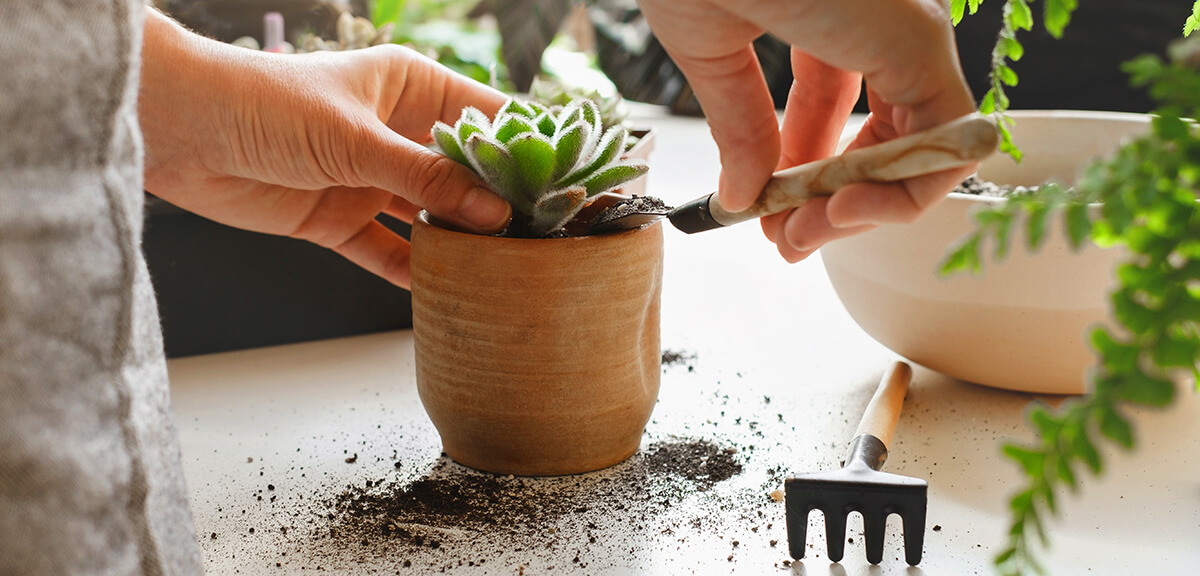
Go up one pot size (2”), adding fresh potting mix to fill the pot each time. Don’t forget! The pot must have drainage holes. It will be easier to prevent roots from rotting.
Can you repot succulents in regular potting soil?
Succulents do best in well drained potting mixes, such as cactus mix, or an amended potting mix. It is important to use a potting mix that allows for proper porosity. You can use a regular potting mix like Schultz Potting Mix but you need to amend it with coarse sand or perlite at the rate of 3 parts potting mix to one part sand or perlite.
Do succulents prefer shallow or deep pots?
Succulent root systems are compact and grow slow. It can take years before they outgrow a small space. When you repot, choose a pot that is only one size larger than the old one. If the new pot is too large, the excess soil will stay wet longer and there is a risk of root rotting.
Also remember that shallow-rooted varieties like Echeverias and Sempervivums will prefer wide, shallow pots over deep ones.
What's the best way to propagate a succulent?
Most succulents are easy to propagate, either from offsets, stem cuttings or leaf cuttings. They do not do well rooting in water. They need to propagate directly into a potting mix.
Can you put succulent cuttings straight into soil?
Some species grow in clusters of rosettes and produce “pups” or have runners that readily root. These are the best candidates for this type of propagation. Gently pull or cut out offsets or runners, keeping the roots attached. Simply plant these in a good potting mix and keep moist without overwatering.
Can you put succulent steam cuttings straight into soil?
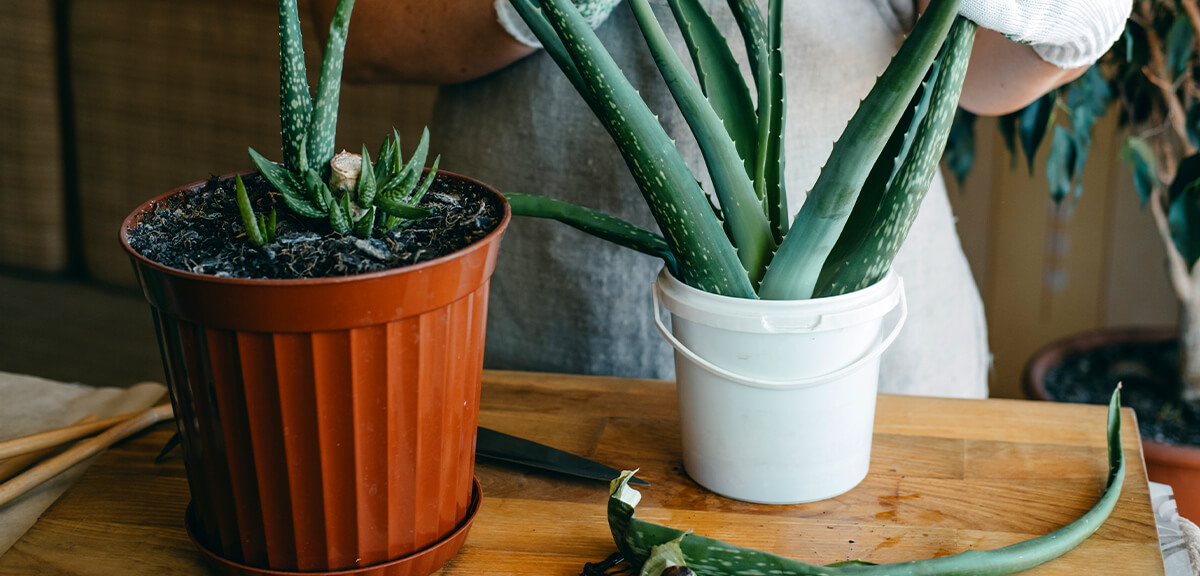
Remove a 7-15 cm (3-6”) section of stem with sharp pruners or scissors. Take the lower leaves off and let the cut end dry so it can callus over. Do this by leaving it on a plate or by suspending it in an empty glass for a few days. Once the cut has callused over, you can plant it in a well-drained potting mix. Keep moist, but don’t overwater.
Can I propagate a broken succulent leaf?
Remove a full leaf from the stem. Lay the leaf flat on the surface of a slightly damp potting mix, setting it on top, ensuring that the leaf is making contact with the potting mix. Do not cover any part of the leaf with potting mix and keep the surface damp but not wet. Use a spray bottle to moisten the surface. New roots will form after a few weeks.
What is the lifespan of a succulent?
Some succulent lives about 5 years, other can live over 100 years. It depends of the variety… and the way that you treat them.
Common Succulents and Their Lifespans:
- Echeveria: 3-30 years, depending on the Plant
- Sempervivum (Hens and Chicks): About 5 Years
- Aloe: 5-25 Years
- Christmas Cactus: 30+ Years
- Lithops (Living Stones): 40-50 Years
- Crassula: 20 -100+ Years, Depending on the Plant
- Kalanchoe: 6-7 Years
The succulent that has the shorten lifespan usually reproduce from offshores (those that grows pups in the same pots!) you can have new ones without even propagate it. It is the case for sempervivums, agave, and some haworthia species.
If you give them a bigger pot (not too big!) and space to reproduce via pups, then new pups will fill in the space where the mother plant previously was. Give them the proper care and those succulents plants will live far longer than their supposed lifespan.
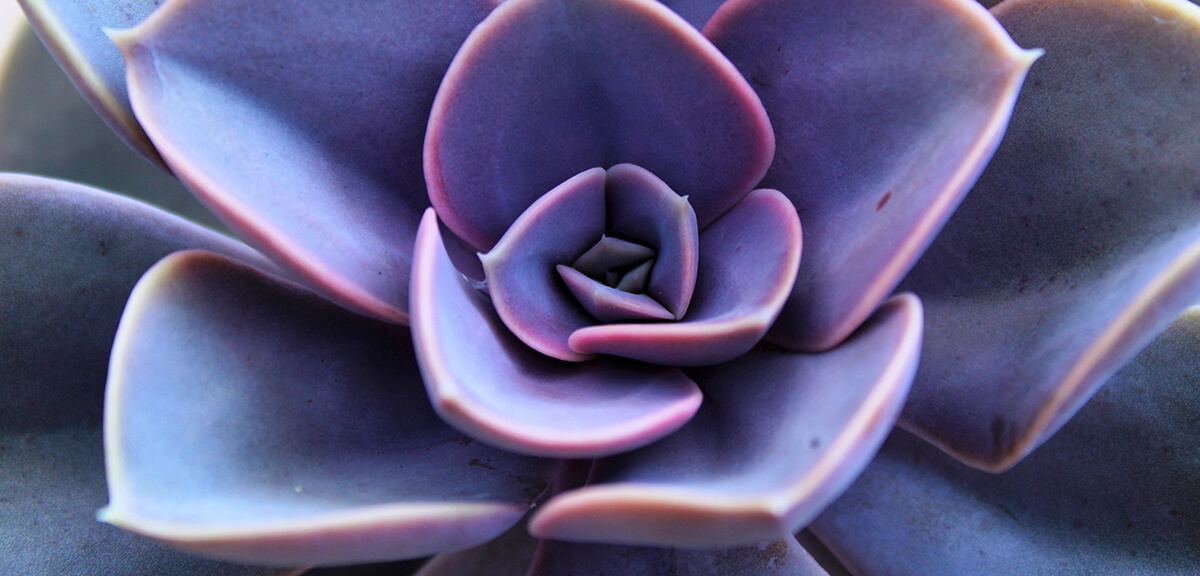
What is the trick to keeping succulents alive?
Succulents are not difficult plants. Regardless of their species, these are the 4 things to keep in mind for succulents that are thriving:
- Pay attention to your soil… use a good potting mix mixed to perlite or sand
- Offer them plenty of light but avoid direct sunlight
- Water wisely to preserve them from rotting
- Watch for pests… they can be hard to see and very tricky!
What about dormancy?
Succulents also enter a dormant state. Because their growth is slow, it's sometimes impossible to know if they are actively growing or not. Signs that a plant is dormant can be misinterpreted, as the plant may wilt or appear to wither. Its leaves, which no longer grow, may also appear discolored. It is not dead, however!
What month do succulents go dormant?
In the succulent’s family, there is to kind of growers: summer growers and winter growers. Summer growers will show active grow in the hottest months, from May to August, and are dormant during winter. Winter growers are the succulents that grow actively in the coldest months, from November to February, and dormant in the summer.
How do you know if a succulent is dormancy?
To know if your succulent is alive, try the snap-scratch test. Gently scrape the outer skin of the stem with your fingernail or a knife and look at the tissue underneath. If it is bright green and moist, your plant is alive. If it is brown, brittle, or dry, that section is dead.
To try the snap test, gently bend the stem and see what happens: living stems are flexible, while dead ones snap.
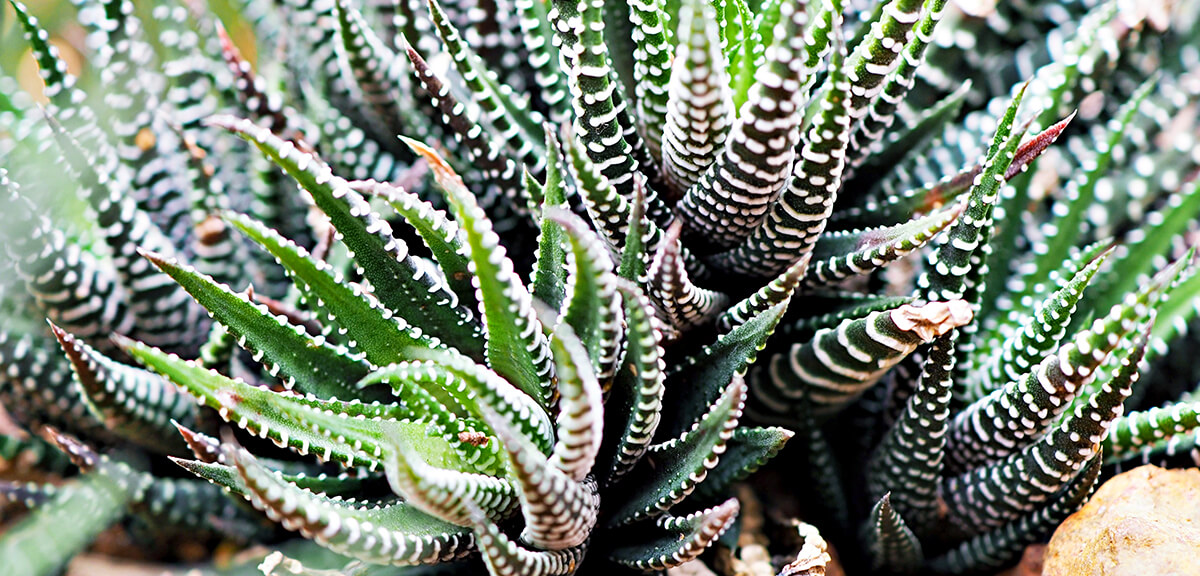
What succulents are safe for kids?
Many indoor succulents are non-toxic, but several popular ones are poisonous to children and pets. Best to check in advance. For example, Euphorbia (pencil cactus), Kalanchoe, Aloe vera, Snake plant, String of Pearls and Jade plants are highly toxic if ingested.
Sempervivum (hens and chicks), Haworthia, Aeonium, Gasteria, and air plants are generally considered safe.
Important: Always wear gloves when handling these plants, as some have a milky sap that can cause skin irritation.
12 Safe Succulents for Kids and Pets
- Echeveria
- Hen and Chicks
- Sedum
- Christmas Cactus
- Lithops (Living Stones)
- Dragon Fruit
- Zebra Haworthia
- Ponytail Palm
- Prickly Pear
- Aeoniums
- Burro's Tail
- Gasteria
Due to their drought tolerance, low maintenance requirements, and being ideally suited for small, bright spaces, make them perfect for beginners. They require minimal watering—only when the soil is completely dry—and thrive in bright indirect light. Another benefit of succulents is that they are relatively pest free.