What is the lucky plant for New Year?

The beginning of a new year is the perfect time to wish our loved ones all the best. Giving a lucky plant is a unique way to send wishes for health, prosperity and happiness while offering a living gift that will decorate the home for years to come… long after 2026 has arrived.
Whether it’s luck, love or prosperity, each plant carries a positive message. Here are five suggestions for symbolic plants to give as an alternative to the traditional New Year's card.
1. Lucky bamboo
What does offering a lucky bamboo mean?
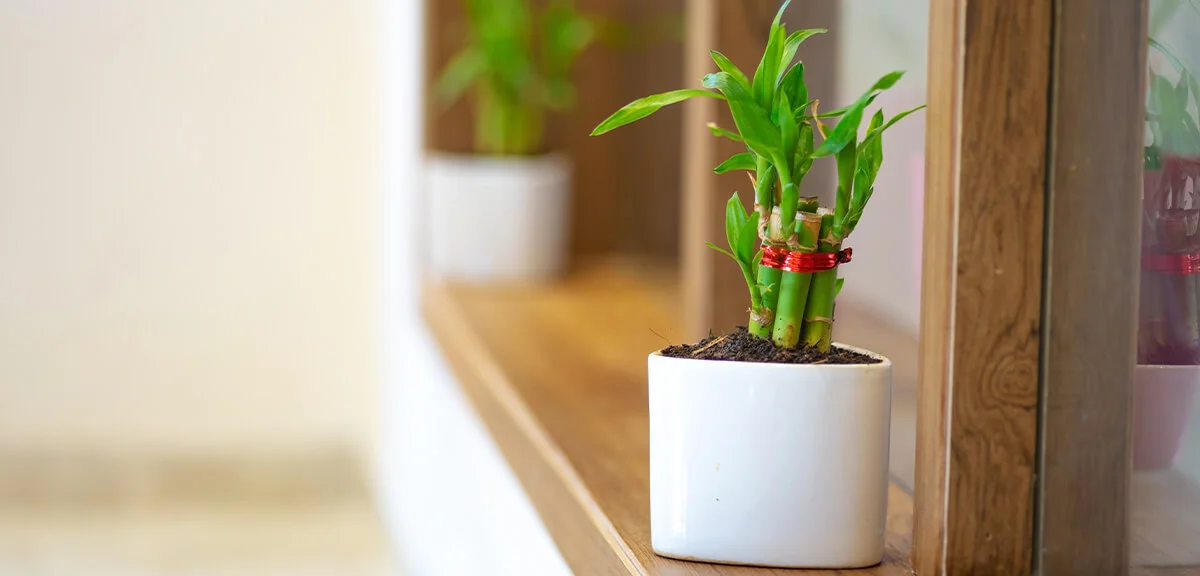
Lucky bamboo, or ribbon plant, is a plant with a clean, elegant appearance that is said to bring luck, prosperity and harmony to the person to whom you give it. Highly valued in Asian culture, it is believed to promote positive energy (Feng Shui) in the room where it is grown.
According to the Chinese tradition, 3 bamboo stalks bring happiness, 5 stalks health, 7 stalks wealth, and 8 stalks prosperity. This makes it an ideal hostess gift!
Bamboo is a vertical plant that takes up little space but immediately captures attention. Grown among other exotic plants, it adds vibrancy to any collection. Used alone or as a feature plant, it brings an exotic touch to the home.
How to care for a lucky bamboo?
Unique and highly decorative, lucky bamboo (Dracaena sanderiana) can be grown in water, in a vase with decorative stones added. However, the water must be changed weekly and the vase thoroughly cleaned each time.
The easiest way is to grow it in the ground, once its roots are well established. Choose our soil mix which retains water. Bamboo prefers consistently moist but never waterlogged soil. Whether grown in water or in soil, lucky bamboo thrives under bright but indirect light.
Why is my bamboo turning yellow?
Most of the time, when bamboo turns yellow, it's due to overwatering. Make sure the soil isn't waterlogged. Too much water will cause your plant to rot. It's also possible your bamboo was planted too soon. Before potting your plant, ensure its root system is well-developed. The roots should be numerous and vigorous to allow it to absorb water effectively.
Too much sun can also burn its leaves. Finally, a nutrient deficiency is another cause that can make bamboo turn yellow. Treat it to our 10-15-10 all-purpose liquid fertilizer when changing the water in the vase, or when watering if your bamboo is grown in soil.
2. Oxalis
What does a four-leaf clover represent?
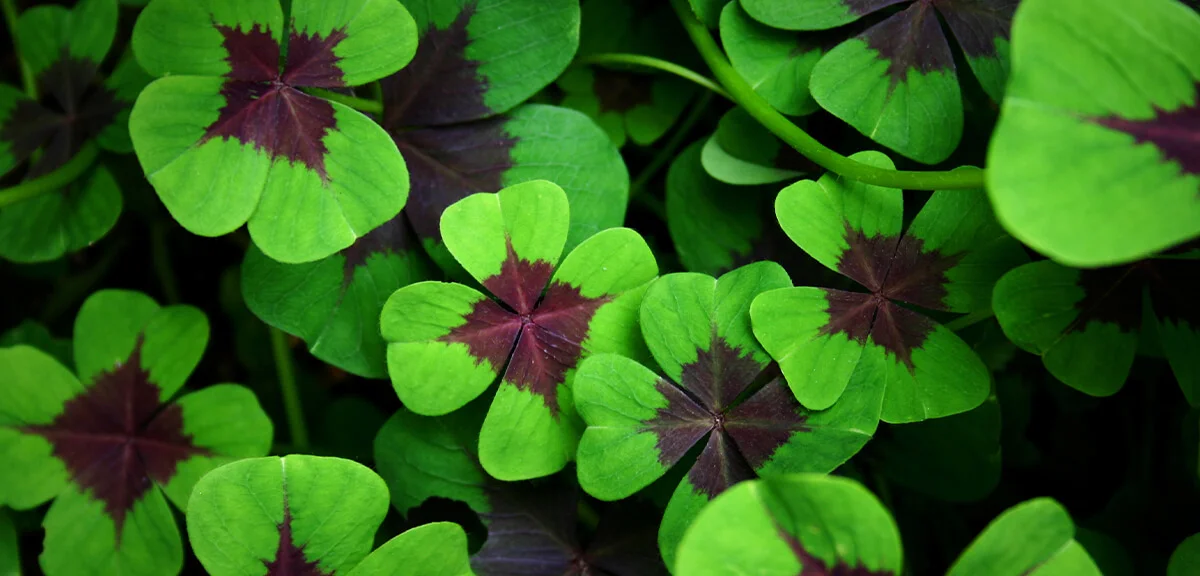
The four-leaf clover is considered a lucky charm in many Western cultures. According to Celtic tradition, each of its leaves represents a specific virtue (or wish):
- Hope, for hope in the future
- Faith, which translates into confidence in oneself and others
- Love, or the capacity to love and be loved
- Luck, which is apparently the chance to have all the virtues combined
The origin of the four-leaf clover remains a mystery in nature. Researchers have studied the four-leaf clover but have not yet been able to identify the gene responsible for it. Interestingly, some four-leaf clovers have 5, 6 or 7 leaves, and the record is said to be 56!
With its many stems topped with a four-leaf clover, the oxalis, original, playful and magnificent, is the perfect plant to wish a friend luck!
How to care for oxalis?
Oxalis prefers bright, indirect light. Let the top centimetre of soil dry out between waterings, and avoid overwatering it, as it leaves the soil soggy. With its delicate structure, oxalis is sensitive to drafts and does not like being placed too close to a heat source.
The plant is often sold in bloom, at the peak of its beauty. After a few months of growth, it's normal for its foliage to curl up and for the plant to go dormant. It's not dead, however. Reduce watering significantly for 4 to 8 weeks and place it in a cooler location with a soft light.
When new shoots appear, resume watering and fertilize with a balanced fertilizer every 3 to 4 weeks, using only half the recommended dose. Avoid fertilizers with a high nitrogen concentration, which will promote foliage growth at the expense of flowering.
3. Zamioculcas (ZZ plant)
What does a ZZ plant represent?
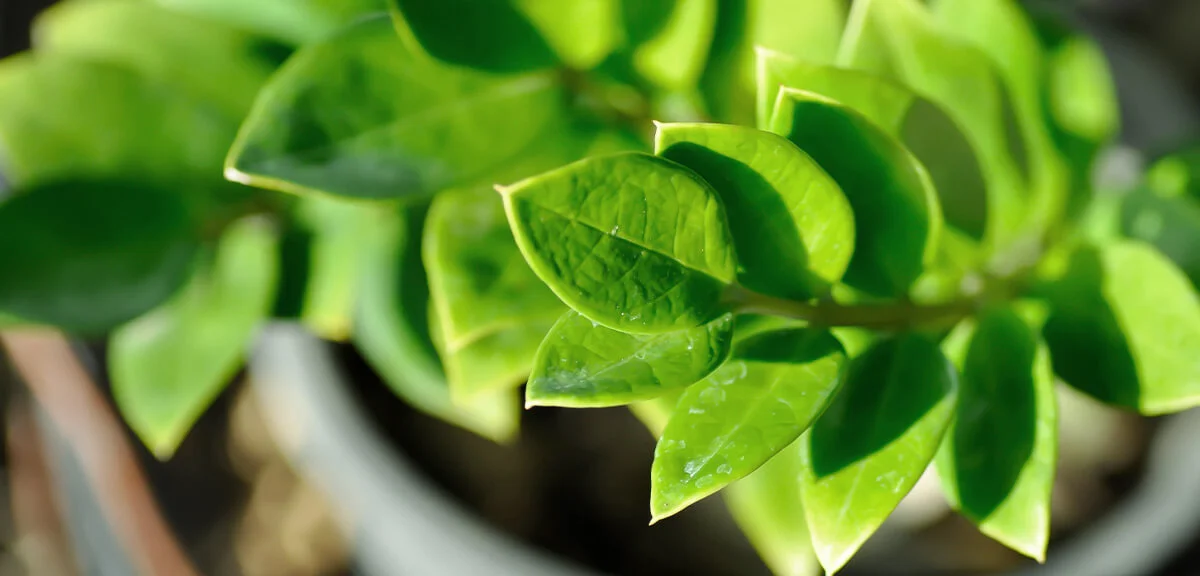
Zamioculcas is also called lucky feather, or ZZ plant (an abbreviation of its botanical name, which is as difficult to remember as it is to pronounce: Zamioculcas zamiifolia). The plant is associated with calm, serenity and emotional balance. It is given as a gift to wish prosperity, success and growth.
The ZZ plant is very easy to grow. It thrives on little and survives even the most careless gardeners, as well as those who definitely don't have a green thumb.
How to care for a ZZ plant?
The ZZ plant thrives in low light but also tolerates bright, indirect light, making it ideal for almost any location. Because it stores water in its rhizomes, it's forgiving of missed waterings. Water thoroughly when the soil is dry and empty the saucer. Repeat only when the soil is completely dry. This might mean every 4 to 6 weeks in winter!
You know you've overwatered when the leaves turn yellow and soften. Conversely, the plant lacks water when they curl up and become dull.
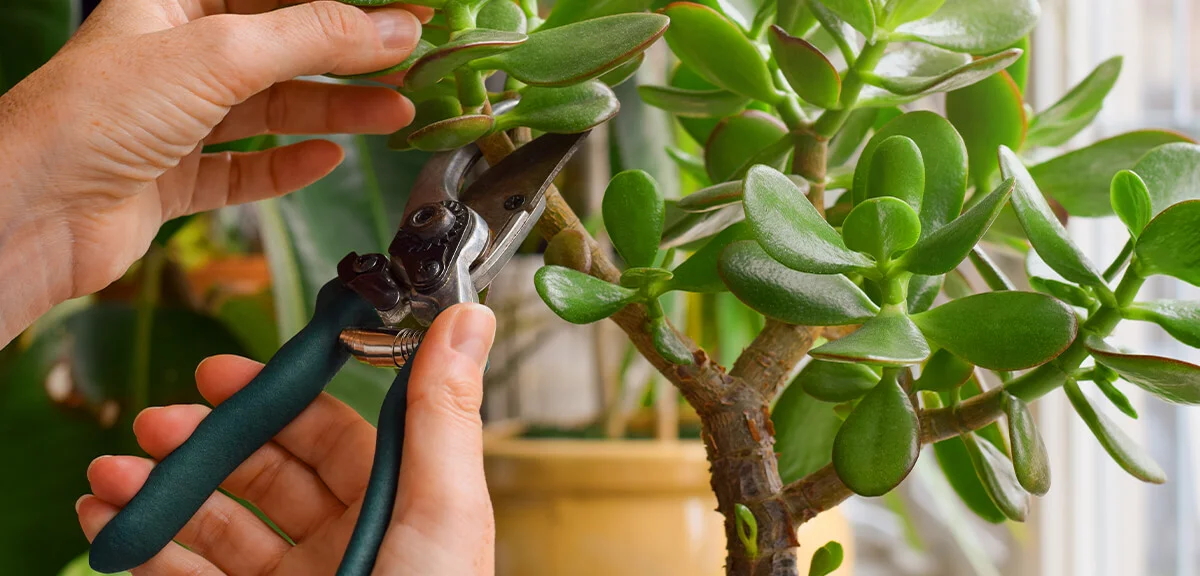
4. Crassula (jade plant)
According to a popular Asian tradition, the jade plant, sometimes called the dollar plant or money tree, symbolizes financial success, while according to Feng Shui principles, the plant attracts wealth. It is associated with growth, renewal, friendship and harmony.
It is given as a gift to wish good fortune and abundance. It is also believed to be a great housewarming gift. It should be placed near the main entrance of the house.
How to care for a jade plant
The key to successfully growing a jade plant? Moderate watering and maximum light. Intense lighting, ideally with a few hours of direct sunlight each day, ensures robust and dense growth.
Crassula is a succulent plant. It stores water in its leaves. Be careful not to overwater it. Allow the soil to dry out completely before watering again. In winter, the plant can even survive for weeks without watering. It's the perfect gift for someone who is often away from home.
Why are the leaves of my crassula wrinkling?
When the leaves of a jade plant are wrinkling, it means the plant isn't getting enough water. Water it thoroughly. The wrinkles will disappear the next day.
How can I prevent my jade plant from losing its leaves?
Overwatering can cause leaf loss and root or even stem rot. During the flowering period, watering once a week will suffice. The rest of the time, watering every two or three weeks is often more than enough.
How to get a jade plant to bloom?
To get a jade plant to bloom, it needs a rest period of about six weeks in the fall or early winter, in a cool, dry location with nighttime temperatures between 10 and 15 °C. During this time, watering should be reduced (the soil should be almost dry at all times), and all fertilization should be stopped, but it should receive bright light during the day. Even during its rest period, the jade plant needs maximum light.
Once flowering begins, move the plant to a warmer room and resume watering, always allowing the soil to dry out between waterings.
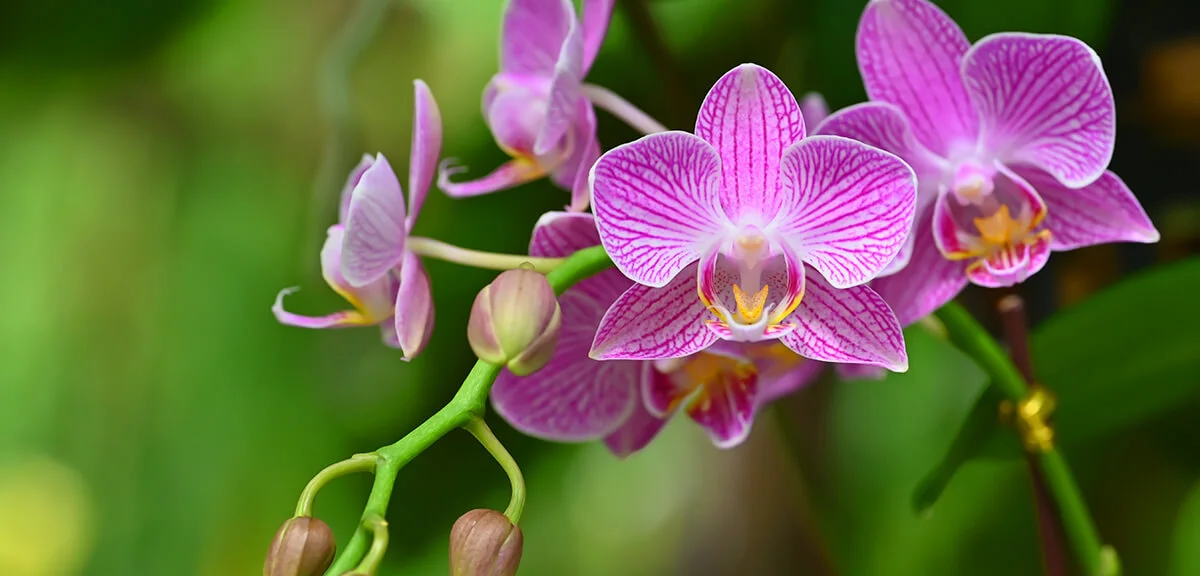
5. Orchid (phalaenopsis)
The last plant we’ve chosen, and certainly not the least, is the orchid, one of the most popular as a gift, regardless of the occasion.
The orchid symbolizes elegance, grace, love, renewal and good fortune. It is given to wish a loved one harmony and beauty for the coming year. Despite its sophisticated appearance, it is an easy plant to grow and it requires little care and attention. Treat it to our orchid fertilizer every time you water (every 10 days) to ensure its vigor and encourage flowering.
What do orchids represent according to their colour?
Orchids come in many colours. Here's a short guide to help you choose.
A white orchid symbolizes purity, elegance, serenity, pure love and joy.
A fuchsia or pink orchid represents tenderness, gentleness, elegance and seduction.
A mauve orchid is a declaration of respect or admiration.
A yellow orchid represents joy, friendship, enthusiasm and also a new beginning.
Happy New Year!